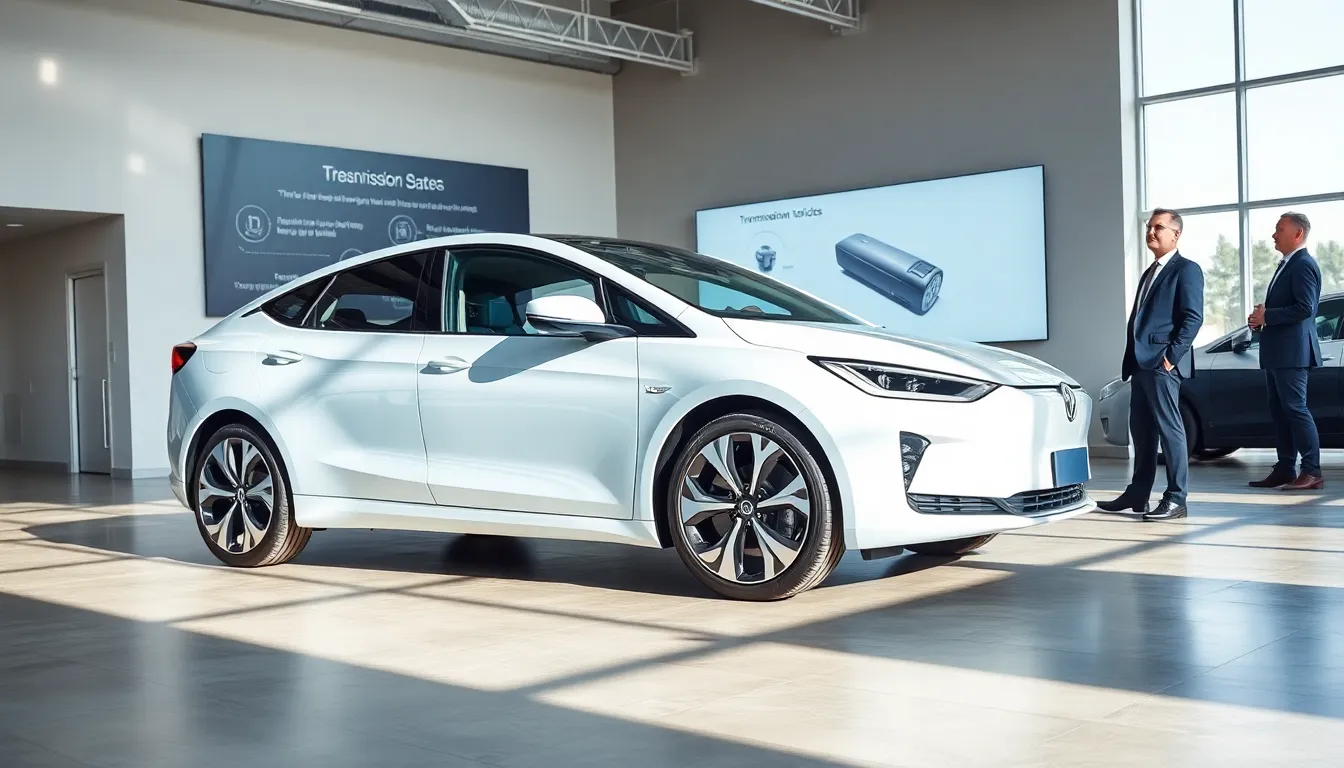
When it comes to electric vehicles (EVs), many drivers have questions. Most of these revolve around how they operate, and one of the hottest questions has to be: Do they have transmissions? You might picture your traditional gas guzzler with its complex gearbox resembling a confused octopus, while EVs seem like a whole different beast. But fear not. Here’s a helpful overview that breaks down the nitty-gritty of this topic while keeping things fun. Buckle up as we explore the fascinating mechanics of electric vehicles.
Understanding Electric Vehicle Mechanics
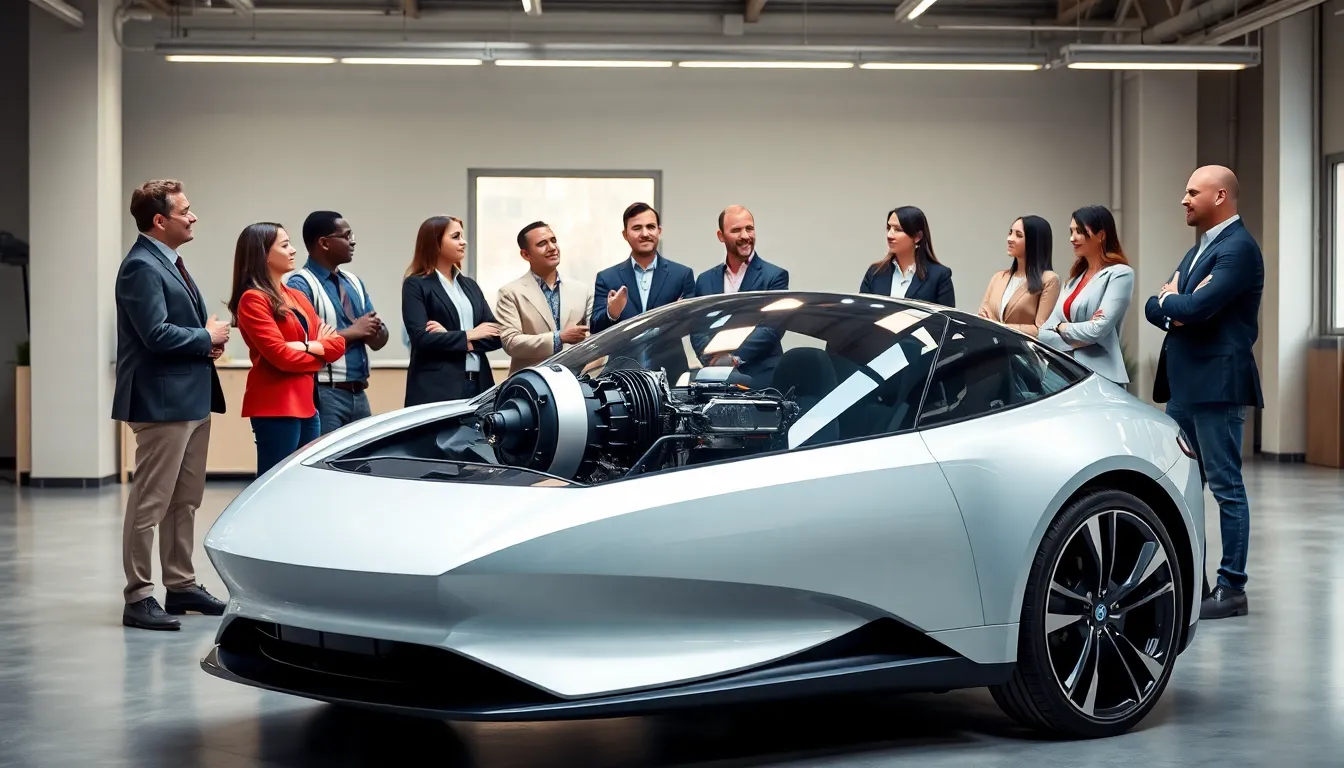
Electric vehicles operate distinctly compared to their gasoline counterparts. Instead of relying on internal combustion engines, EVs use electric motors powered by rechargeable batteries. These motors deliver immediate torque, meaning acceleration happens instantaneously. This shift radically changes how power is transmitted to the wheels. Since electric motors can spin in either direction, and showcase extraordinary efficiency, they don’t require complex mechanisms to manage power like traditional vehicles do. Understanding this fundamental difference is key to grasping whether EVs truly need a transmission.
The Basics of Transmissions in Conventional Vehicles
Conventional vehicles often feature multi-speed transmissions that allow them to manage different driving conditions and speeds. Think of the classic automatic or manual gearbox, the kind that often baffles new drivers during their first experience behind the wheel. These transmissions serve a crucial role by changing gear ratios, which in turn affects engine efficiency and performance. Generally, as the speed increases, so does the engine’s power demand, which means the transmission has to step in and do its job. In this system, a well-functioning transmission contributes significantly to a vehicle’s overall performance and fuel economy.
Transmission Systems in Electric Vehicles
When discussing whether electric vehicles have transmissions, one must recognize that EVs can indeed incorporate transmission systems, though typically, they do so in a much different way. Some electric motor designs optimize direct drive systems, which essentially means they don’t need multiple gears to help acceleration. Yet, manufacturers are experimenting with various configurations. Some EVs use single-speed transmissions that provide a direct connection between the motor and the wheels, allowing for a seamless driving experience. This simplicity in design plays a crucial role in keeping costs down and efficiency high.
Do Electric Vehicles Need Transmissions?
In short, the answer to whether electric vehicles need transmissions is: it depends. Some models thrive with simple setups that eliminate the need for gears altogether. These single-speed systems can accelerate smoothly without the need for shifting gears. On the other hand, certain performance-focused electric vehicles might benefit from multi-speed transmissions to optimize speed and torque across different driving conditions. Let’s discuss these in more detail.
Types of Electric Vehicle Transmissions
Electric vehicle transmissions generally fall into two primary categories, single-speed and multi-speed.
- Single-Speed Transmissions
As the name implies, these use a single gear ratio perfect for the high torque generated by electric motors. Many EVs operate quite effectively using this system, providing enthusiasts with rapid acceleration and a straightforward driving experience. Think about it: with fewer moving parts, maintenance may be less of a concern compared to their multi-gear counterparts.
- Multi-Speed Transmissions
While less common, some electric vehicles incorporate multi-speed transmissions to cater to high-performance needs. These allow for a more versatile driving experience and can improve efficiency at different speed ranges. But, developing such systems can be complex and might not always result in a significant performance boost, leading some manufacturers to forgo them entirely.
The Role of Gear Ratios in EVs
Gear ratios play a crucial role in both traditional and electric vehicles. For EVs utilizing multi-speed transmissions, the selection of specific ratios can have a significant effect on performance. Different ratios can optimize how quickly a vehicle accelerates, how it handles at high speeds, and even its efficiency under varying conditions. The relationship between gear ratios and motor speed gives manufacturers a toolkit for crafting unique driving experiences tailored to driver preferences and vehicle purpose.
Advantages of Transmission-less Electric Drive Systems
Opting for a transmission-less electric drive system carries multiple advantages that appeal to both manufacturers and consumers.
- Simplicity and Reliability: With fewer parts, the potential for mechanical failure minimizes, enhancing overall reliability.
- Cost-Efficiency: Since there are fewer moving parts, production costs decrease, which can be reflected in price savings for consumers.
- Improved Efficiency: Removing the need for shifting leads to a smoother ride and improved energy efficiency. This can translate into enhanced range for EVs, which is certainly a draw for prospective owners.
Challenges and Limitations of EV Transmissions
Even though the advantages associated with transmission-less systems, they aren’t without challenges.
- Performance Restrictions: Single-speed systems may not always deliver optimum performance in every driving scenario, particularly when it comes to high-speed driving or towing capacity.
- Market Adaptation: The traditional mindset of consumers accustomed to gear-based systems poses a hurdle for manufacturers championing electric models. Consumers often associate “power” with a shifting process.
- Educational Gap: As consumers become more familiar with electric vehicles, bridging the knowledge gap surrounding electric drive systems remains crucial for manufacturers in guiding purchases.