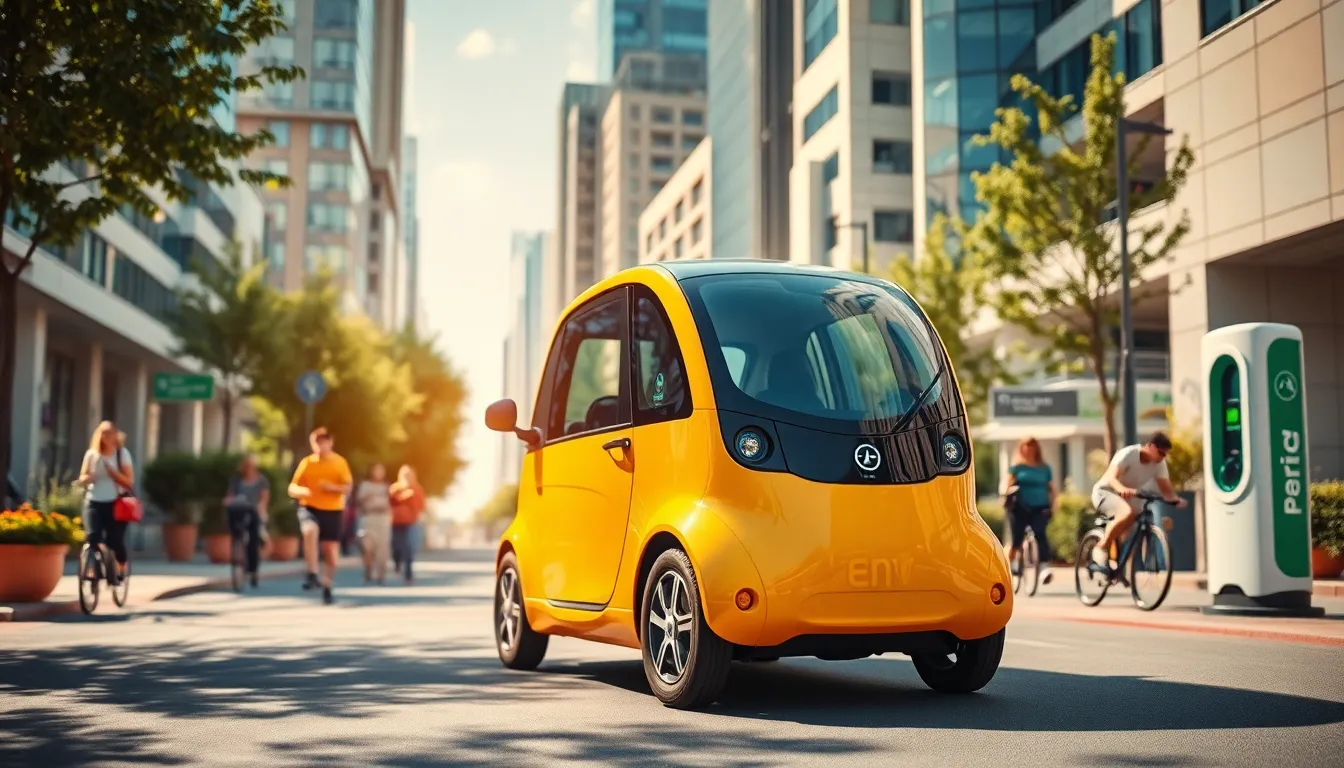
In today’s fast-paced urban world, where traffic congestion and pollution are almost as common as coffee spills on a Monday morning, electric neighborhood vehicles (ENVs) are emerging as the superhero we didn’t know we needed. Imagine a scene where everyone replaces their gas-guzzlers with compact and chic electric cars, zipping quietly through the streets while leaving behind nothing but a whisper of fresh air. Sounds dreamy, right? Let’s explore how ENVs are revolutionizing our cities, making them friendlier and a whole lot more fun.
What Are Electric Neighborhood Vehicles?
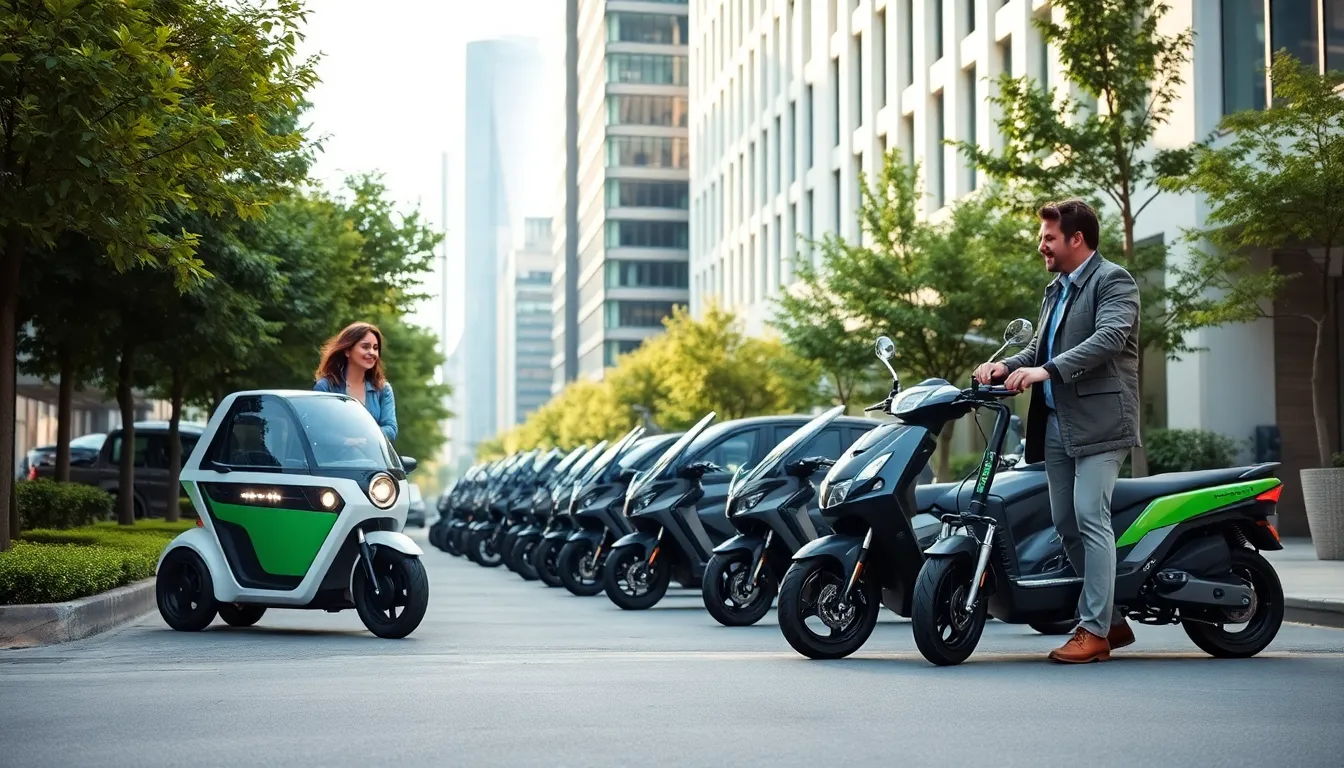
Electric neighborhood vehicles are small, lightweight vehicles designed primarily for short trips within urban areas. They often resemble mini-cars or scooters but pack quite the punch with their electric powertrains. Think of them as a delightful hybrid between a golf cart and a small car, perfect for zipping around town. ENVs typically have a top speed suitable for city driving, often around 25 to 35 mph, making them ideal for running errands, commuting to work, or taking a leisurely drive through the park. These vehicles are battery-powered, contributing significantly to reducing carbon emissions and promoting sustainable urban mobility.
Benefits of Electric Neighborhood Vehicles
The advantages of electric neighborhood vehicles extend far beyond just their eco-friendliness. Here are some compelling benefits:
- Environmental Impact: As cities grapple with pollution, ENVs provide a cleaner alternative. By using electricity instead of fossil fuels, drivers can significantly decrease their carbon footprint.
- Cost Savings: Who doesn’t love saving money? With lower operating costs compared to traditional vehicles, maintenance and charging ENVs is often cheaper than fueling gas-powered cars.
- Efficiency in Urban Areas: ENVs are designed for urban infrastructures. They can navigate narrow streets, fit into tighter parking spaces, and are often exempt from congestion charges.
- Noise Reduction: Electric vehicles emit far less noise than their gas counterparts, contributing to a quieter, more peaceful environment in residential areas.
Key Features and Technologies
The evolution of electric neighborhood vehicles showcases impressive features designed for comfort, convenience, and safety. Here are some notable technologies:
- Advanced Battery Systems: Many ENVs use lithium-ion batteries, providing improved energy density and longevity. This technology allows for longer ranges on a single charge, meaning fewer stops at charging stations.
- Smart Connectivity: Most modern ENVs are equipped with smart tech that connects to your smartphone. Drivers can monitor battery life, find charging stations, and even lock their vehicles remotely.
- Safety Features: ENVs often come with essential safety features, including regenerative braking, collision detection systems, and improved visibility with LED lights.
- Customizable Options: Many manufacturers provide personalization options to allow drivers to style their vehicles according to their preferences, from colors to storage solutions.
Popular Electric Neighborhood Vehicle Models
Several models have gained popularity among consumers, each bringing unique features to the table:
- Gogoro: Initially known for their e-scooters, Gogoro is expanding its reach with neighborhood vehicles tailored for urban commuting, focusing on a lightweight, compact design.
- Arcimoto FUV: With its eye-catching design and three wheels, the Arcimoto Fun Utility Vehicle (FUV) emphasizes versatility, making short urban trips easy and enjoyable.
- Canoo Lifestyle Vehicle: This model takes a futuristic approach, aiming for maximum interior space while providing a compact footprint, perfect for city dwellers.
- Club Car: Known for their golf carts, Club Car has expanded into the electric vehicle market, offering reliable neighborhood vehicles that blend style and function.
Challenges and Considerations
Even though their myriad benefits, electric neighborhood vehicles face challenges that warrant attention.
- Infrastructure Development: Cities must expand their charging infrastructure to accommodate an increase in electric vehicles. Without adequate charging stations, drivers might find themselves in a pinch.
- Range Anxiety: While battery technologies are improving, some users still experience range anxiety, worrying about running out of charge before reaching their destination.
- Regulatory Concerns: Different cities have varying regulations about where ENVs can be driven. These laws can sometimes complicate their adoption.
The Future of Electric Neighborhood Vehicles
As technology continues to advance, the future of electric neighborhood vehicles looks promising. Innovations such as autonomous driving capabilities are being explored, which could revolutionize urban mobility even further. Imagine a world where you summon your ENV with your phone, hop in, and let the vehicle navigate the streets while you kick back and enjoy the ride.
Also, manufacturers are investing in sustainable production methods, ensuring that making these vehicles is as eco-friendly as using them. Cities are also starting to recognize the benefits of integrating ENVs into their public transportation systems.