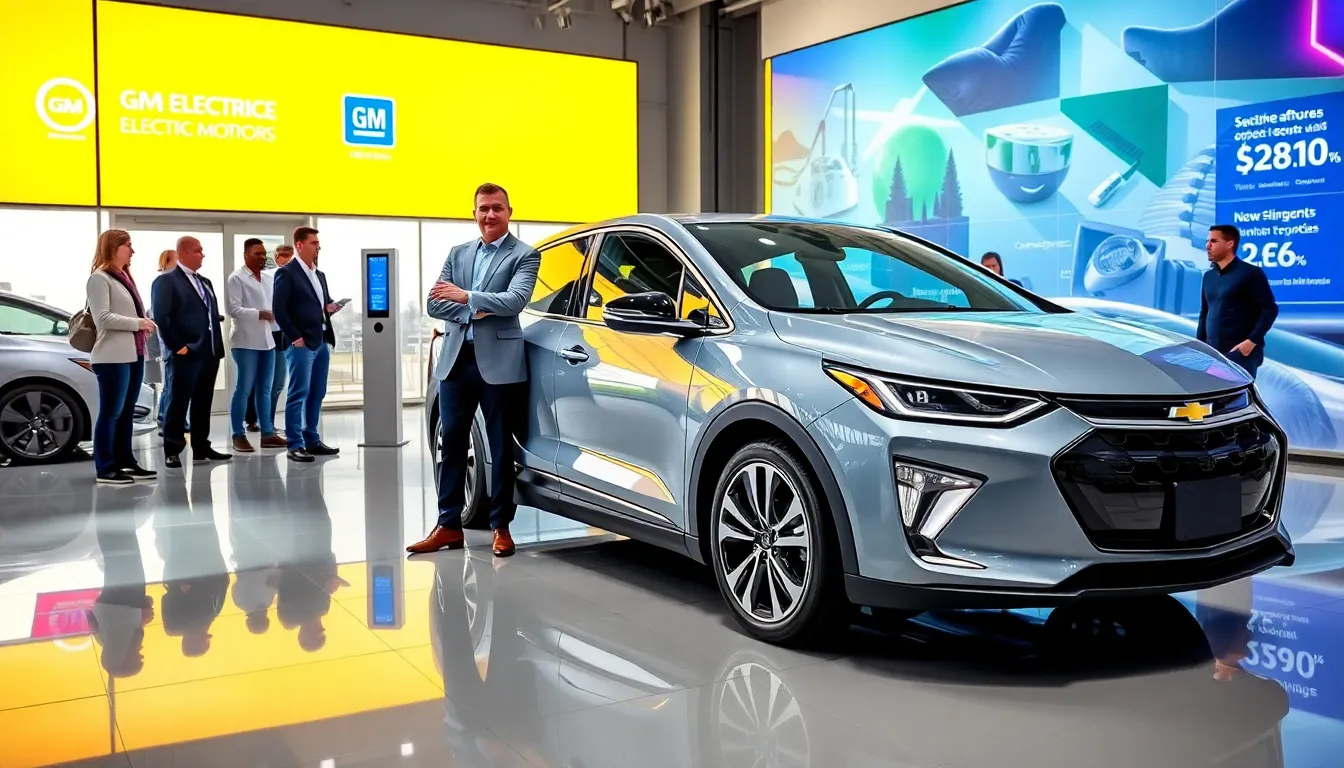
When it comes to electric vehicles, few brands boast the rich history and innovative spirit of General Motors. As they pivot from traditional gas guzzlers to sleek electric machines, GM is steering into an exciting future. Imagine an automotive giant sending shockwaves through the market with vehicles that don’t just save the planet but make driving fun again. With a blend of cutting-edge technology and commendable sustainability efforts, by the end of this journey through GM’s electric vehicle landscape, you’ll be ready to join the revolution, or at the very least, consider trading in that old gas tank. Buckle up.
Overview of General Motors and Their Electric Vehicle Strategy
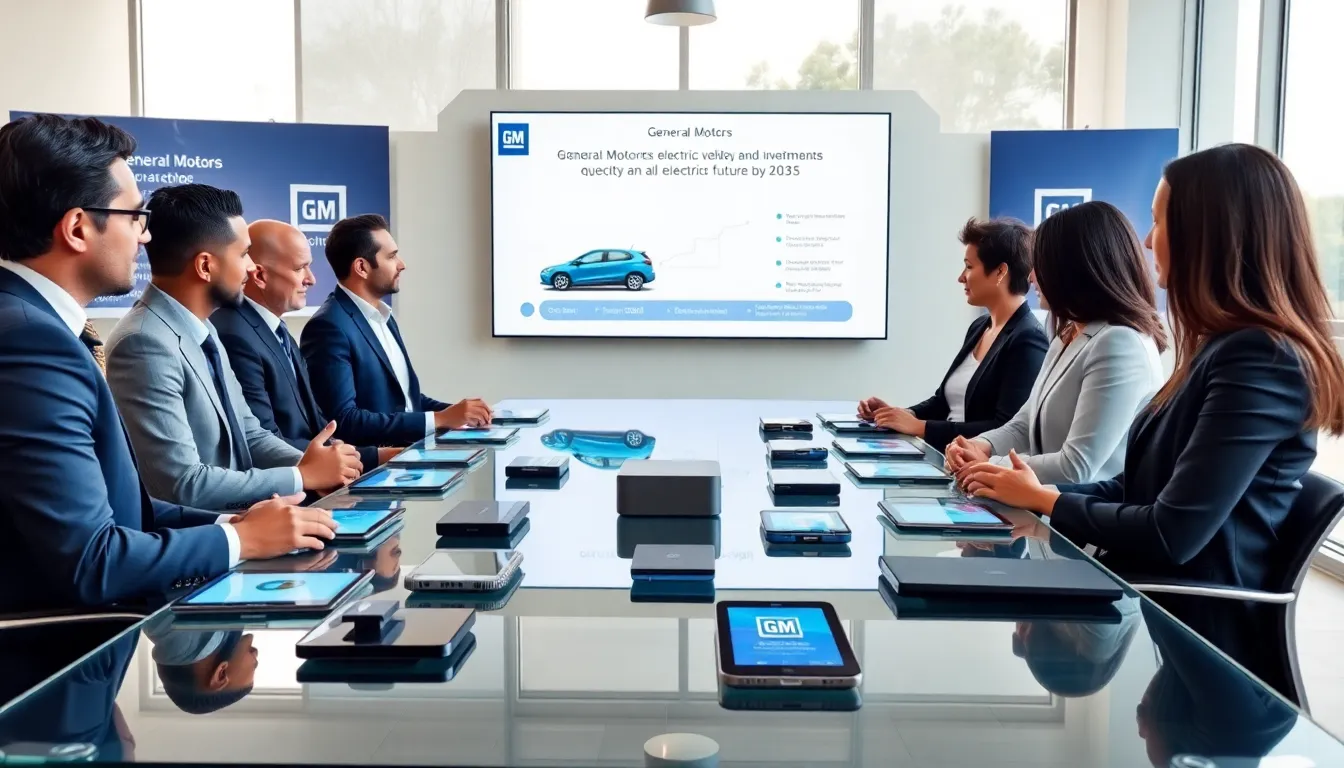
General Motors, established in 1908, has been a cornerstone of the automotive industry for over a century. Recently, GM has embarked on a strategic overhaul, focusing heavily on electric vehicles (EVs). This transformation isn’t just a fleeting trend: GM aims for an all-electric future by 2035, emphasizing their commitment to sustainability and innovation.
By investing $27 billion in electric and autonomous vehicles through 2025, GM is not just catching up to its competitors but actively creating a subculture of electric driving. Their strategy revolves around developing a robust platform that supports a variety of models, ensuring that consumers will have options tailored to their lifestyles and needs. In this dynamic landscape, that’s a strategy aimed to solidify GM’s place at the forefront of this electric revolution.
Current Electric Vehicle Models Offered by General Motors
General Motors offers a compelling lineup of electric vehicles, each tailored for diverse consumers. At the forefront is the Chevrolet Bolt EV and its bigger sibling, the Bolt EUV, which redefined affordability in the electric vehicle space. These models are packed with features that offer impressive range and technology without the hefty price tag.
Plus to the Bolts, GM has introduced the Cadillac Lyriq, a luxury electric SUV that stands out for its sleek design and performance. This vehicle aligns perfectly with Cadillac’s reputation for elegance while embracing modern electric capabilities. The Hummer EV, a throwback to its rugged roots, now dons electric power with zero emissions. It caters to enthusiasts craving power without compromise on eco-consciousness.
The variety of models available showcases GM’s dedication to catering to different market segments while pushing forward their electric ambitions.
Technological Innovations in GM Electric Vehicles
Technological innovation lies at the heart of General Motors’ electric vehicle strategy. The Ultium battery platform plays a pivotal role in this approach, allowing for flexible configurations that can be adapted across various vehicle types. This innovative system enhances energy density and charging capabilities, addressing one of the biggest concerns among electric vehicle consumers: range anxiety.
Also, GM’s Super Cruise technology provides a glimpse into the future of automated driving. This hands-free driving system is not only cutting-edge but is also continuously evolving through over-the-air updates. By prioritizing connectivity and user experience, GM ensures that its vehicles are not just cars but are smart, interactive vehicles.
With such advancements, GM is not merely participating in the electric vehicle market but is setting the stage for the future of automotive innovation.
Sustainability and Environmental Impact of GM Electric Vehicles
Sustainability is a key tenet of General Motors’ electric vehicle strategy. The shift to electric vehicles significantly reduces greenhouse gas emissions, moving away from fossil fuels and advancing toward cleaner energy solutions. GM is also committed to ensuring that the manufacturing processes of their electric vehicles are environmentally friendly.
Their goal is to use 100% renewable energy in their global manufacturing sites by 2035, which sets a new standard in the industry. Besides, GM’s commitment to recycling and repurposing materials helps reduce waste and supports a circular economy. Plus, they are engaging in various initiatives to minimize water usage and waste generation within their production processes.
In essence, General Motors is not just about making electric vehicles: they are redefining the process of how these vehicles are made and the overall impact this has on the planet.
Challenges Facing General Motors in the Electric Vehicle Market
Even though a robust strategy, General Motors faces significant challenges in the electric vehicle market. One of the most pressing hurdles is competition. Established brands and new startups are entering the electric vehicle space at unprecedented rates, making it essential for GM to stay ahead.
Supply chain issues also present obstacles, particularly concerning semiconductor shortages that have plagued the automotive industry. GM must navigate these challenges effectively to maintain production levels and meet consumer demand amid these disruptions.
Also, consumer skepticism toward EVs often arises from misconceptions about range, battery life, and overall reliability. Overcoming these challenges requires GM to invest in education and outreach efforts to establish consumer trust. Finally, as regulations surrounding emissions standards become stricter, GM must ensure its products meet or exceed these benchmarks.
Future of General Motors Electric Vehicles
The future for General Motors and its electric vehicle lineup appears bright and ambitious. With plans to launch 30 new electric models by 2025 and a focus on sustainability, GM is on track to reshape how consumers view electric vehicles.
The expansion of charging infrastructure, alongside partnerships with utility companies, is also expected to play a crucial role in this transition. By strategically collaborating with partners, GM aims to create an environment where EV ownership is hassle-free and appealing to a broader audience.
Looking further ahead, the integration of advanced technologies such as artificial intelligence and enhanced connectivity will likely redefine the driving experience, making potential customers excited about the possibilities that await them.