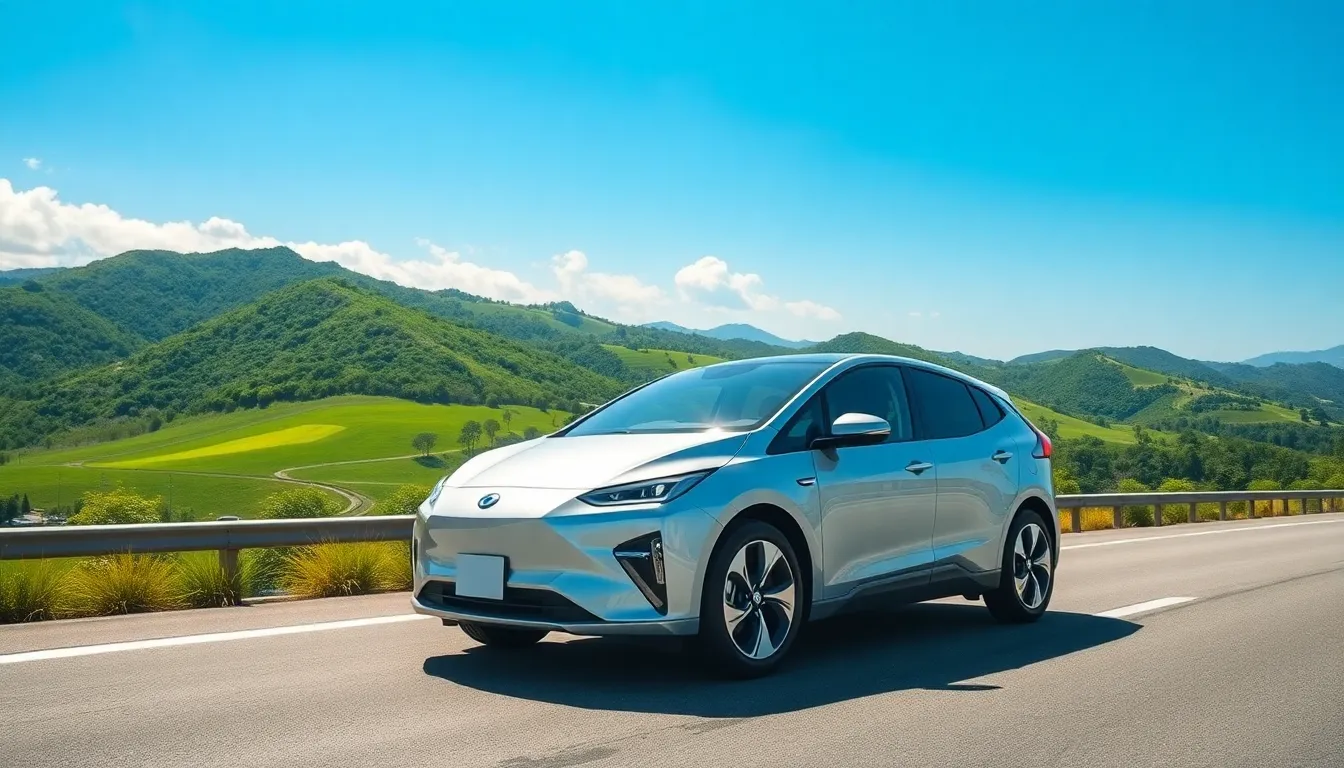
Imagine zipping down a scenic Japanese highway in a sleek, whisper-quiet electric vehicle, the stunning landscapes zooming by while simultaneously saving the planet. Sounds like a dream, right? Well, with the rapid advancements in technology and sustainability, that dream is fast becoming a reality. As the demand for greener alternatives intensifies, Japanese electric vehicles are steering us toward a more sustainable future, and who wouldn’t want to jump in the driver’s seat?
Overview of the Japanese Electric Vehicle Market
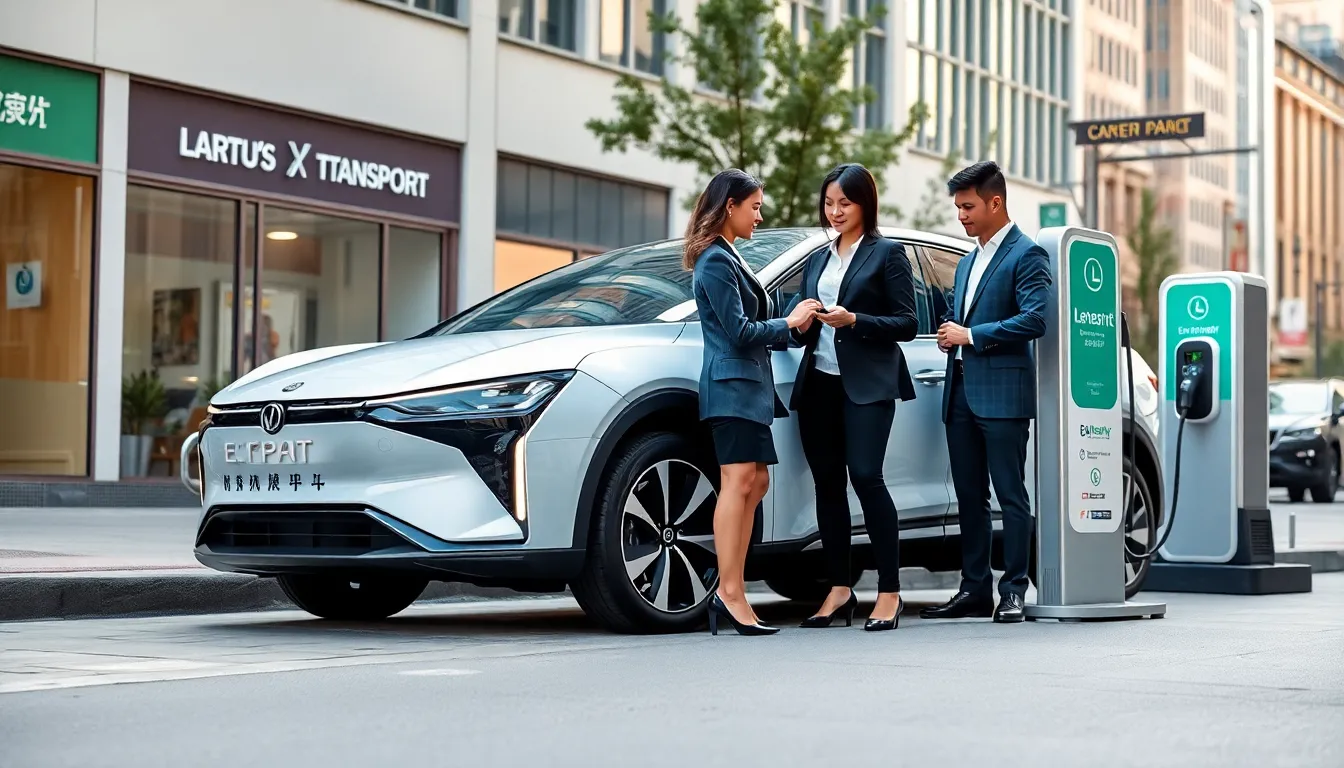
The Japanese electric vehicle market is a whirlwind of innovation and ambition. With a blend of traditional manufacturing excellence and a commitment to sustainability, the landscape is evolving rapidly. Currently, Japan stands as one of the world’s largest markets for electric vehicles, not only in production but also in consumption. Reports indicate an exponential growth in sales, fueled by an increasing awareness of environmental issues and a shift in consumer preferences toward eco-friendly options.
The Japanese government has set ambitious targets, aiming to have all new vehicles be electric by the early 2030s. Besides, Japan’s robust infrastructure, including an extensive charging network and incentives for electric vehicle buyers, greatly facilitates this transition. All these factors paint a promising picture of a future dominated by electric vehicles in Japan, signaling a shift from the gasoline-powered vehicle era.
Key Players in the Industry
A few giants dominate the electric vehicle landscape in Japan, each contributing its unique strengths to the market. Toyota is undoubtedly a key player, renowned for integrating hybrid technology into mainstream vehicles. With plans to expand its fully electric lineup significantly, they aim to solidify their leading position.
Then there’s Nissan, often credited with launching one of the first mass-market electric vehicles with the Leaf. This vehicle has become synonymous with electric mobility, proving that sustainability can indeed weave seamlessly with functionality. Meanwhile, Honda is also making waves by investing heavily in research and development, aligning its future with electric mobility trends.
Plus to these well-established companies, startups are increasingly entering the fray, promising to disrupt the traditional models with innovative approaches to manufacturing and sustainability. The competitive tension among these players propels rapid advancements within the industry.
Technological Innovations Driving Electric Vehicles
Innovation is the bedrock of the Japanese electric vehicle market. From enhanced battery technologies to smart connectivity, the advancements are monumental. One notable trend is the development of solid-state batteries, which promise to provide greater ranges and shorter charging times than current lithium-ion batteries.
Also, automation and artificial intelligence are becoming instrumental in designing electric vehicles that not only conserve energy but autonomously handle many driving functions. This integration means that future electric vehicles will become smarter and more efficient.
Also, manufacturers are focusing on lightweight materials and energy-efficient designs. These technologies contribute to improved efficiencies which, in turn, increase the overall appeal of electric vehicles to consumers. As these trends evolve, one can only wonder about the fascinating innovations lurking on the horizon.
Government Policies and Support for Electric Vehicles
The Japanese government has mounted a robust strategy to support the electric vehicle market. Financial incentives play a pivotal role. Subsidies for purchasing electric vehicles, tax breaks, and investments in charging infrastructure support uptake among consumers.
Besides, Japan’s government aims to help research and development in clean technology, ensuring that local manufacturers remain competitive on a global stage. Regulatory environments are also shifting: emissions standards are being tightened to drive the market toward electric solutions.
This multi-faceted government support signifies a noteworthy alignment between public policy and marketplace realities, demonstrating a deep commitment to fostering a sustainable future.
Challenges Facing the Japanese Electric Vehicle Market
Even though the momentum in electric vehicle adoption, challenges remain evident. One pressing hurdle is the initial cost. Although prices are gradually decreasing, electric vehicles still often carry a premium price tag that can deter potential buyers.
Also, while charging infrastructure has expanded, gaps still exist, particularly in rural areas. Consumers often voice concerns about range anxiety when contemplating a switch from conventional vehicles. The perceived limitations on charging locations lead to hesitation among potential buyers.
Finally, there is the matter of recycling batteries, a crucial aspect of sustainability. As the market grows, the responsibility to securely manage and recycle these components becomes paramount.
Environmental Impact and Benefits of Electric Vehicles
The environmental benefits of electric vehicles are substantial and multi-faceted. Primarily, they promise significant reductions in greenhouse gas emissions. When powered by renewable energy sources, electric vehicles have the potential to operate at a fraction of the carbon footprint compared to their fossil-fueled counterparts.
Another prominent benefit lies in urban air quality. Electric vehicles emit no tailpipe pollutants, leading to cleaner air and, so, healthier communities. This boon is particularly vital in densely populated areas of Japan, where air quality continues to be a growing concern.
Besides, electric vehicles encourage sustainable lifestyle choices among consumers. By opting for these green alternatives, individuals contribute directly to a collective effort to combat climate change, leaving a lighter footprint for generations to come.
Future Trends and Predictions for Japanese Electric Vehicles
Looking into the future, trends appear optimistic for Japanese electric vehicles. We can expect an accelerated shift towards full electrification of the automotive industry driven by both consumer demand and technological innovations. By 2030, the landscape may boast an array of fully electric models, tailored to diverse consumer needs, from compact cars to heavy-duty vehicles.
Autonomous electric vehicles will likely grace the highways, merging the virtual and physical experiences of driving in ways previously deemed futuristic. Also, smart grid technologies integrating electric vehicles into the energy ecosystem will ensure not only sustainable driving but also energy efficiency on a macro level.
In essence, the future holds a plethora of promise for Japan’s electric vehicle market, characterizing it as a vibrant entity flowering amid global sustainability challenges.