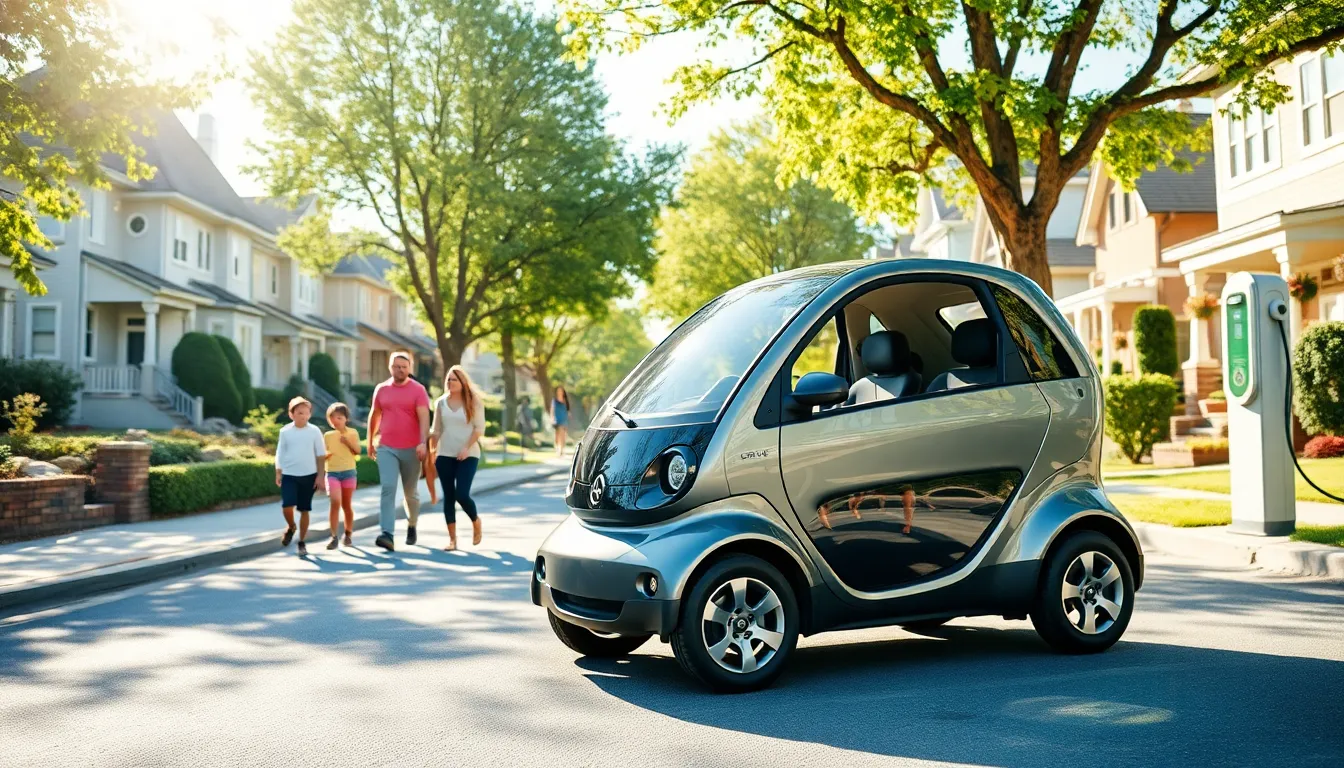
Are you tired of staring at your gas station’s prices creeping up like a preteen trying to reach the top shelf? Enter neighborhood electric vehicles (NEVs) – the quirky, eco-friendly sidekicks to our daily errands. Picture zipping through your neighborhood, feeling the breeze instead of breathing exhaust fumes, all while saving a bit of cash. Intrigued? Good. Buckle up as we explore what NEVs are, their benefits, and the role they play in our future urban landscape.
What Are Neighborhood Electric Vehicles?

Neighborhood electric vehicles, or NEVs for short, are compact, battery-powered vehicles designed primarily for short-distance travel within residential communities. Typically limited to speeds of about 25 mph, these little gems are perfect for local errands and recreational drives.
In essence, NEVs resemble golf carts but come with a touch more sophistication. They often feature comfortable seating for up to four passengers, and some even boast added perks like a roof, headlights, and turn signals, making them street-legal in designated areas. While they may not be ideal for cross-country road trips, they’re a nifty solution for daily chores, school runs, and quick jaunts to the grocery store.
Benefits of Using Neighborhood Electric Vehicles
The shift to neighborhood electric vehicles brings with it a rollercoaster of benefits that not only enhance personal mobility but also contribute positively to community life.
Cost-Effective: One of the most outstanding advantages of NEVs is their affordability. With lower operating costs than traditional gas-powered cars, users save significantly on fuel and maintenance. Think of the money saved – it could fund that special vacation or a well-deserved spa day.
Eco-Friendly: As many cities struggle with air quality issues, NEVs emerge as heroes of sustainability. With zero tailpipe emissions, they significantly reduce the carbon footprint of local travel. Imagine clean air and clearer skies while you drive around your neighborhood.
Community-Oriented: NEVs encourage community interaction. With their slower speeds, these vehicles promote safer neighborhoods, allowing families to enjoy outdoor activities together and help casual encounters among neighbors.
Regulations and Safety Standards
As NEVs gain popularity, so does the necessity for robust regulations and safety standards to protect both drivers and pedestrians. Each state in the U.S. has its own unique set of rules governing the use of NEVs. Generally, these vehicles must comply with federal safety requirements.
Licensing and Registration: In many states, operators of neighborhood electric vehicles need a valid driver’s license, and the vehicles must be registered with the respective Department of Motor Vehicles (DMV).
Safety Features: Some of the required safety features may include functioning seat belts, headlights, brake lights, and turn signals. These requirements help ensure NEVs are safe for road use, much like any other vehicle on the street.
Comparing Neighborhood Electric Vehicles to Traditional Vehicles
The advent of neighborhood electric vehicles may prompt a comparison with traditional combustion-engine cars. Though both serve a purpose, their differences make NEVs stand out in certain aspects.
Key Features of Neighborhood Electric Vehicles
- Speed Limitations: NEVs are specifically built for lower-speed environments, usually limited to 25 mph, while traditional vehicles can reach much higher speeds.
- Size and Maneuverability: These vehicles are smaller, making them easier to navigate through cramped spaces or crowded neighborhoods.
- Environmental Impact: As mentioned earlier, NEVs operate on electricity and produce zero emissions, while traditional vehicles contribute significantly to pollution.
- Initial Cost: Generally, the upfront cost of an NEV is lower than that of a traditional car, making it a more budget-friendly option for many households.
Environmental Impact and Sustainability
The environmental advantages of neighborhood electric vehicles cannot be overstated. With urban areas increasingly grappling with climate challenges, NEVs serve as a practical solution to curb pollution at the source.
Reduction of Carbon Emissions: By substituting gasoline-powered vehicles with NEVs, cities can experience a significant drop in local carbon emissions. It’s like giving Mother Nature a well-deserved hug.
Energy Efficiency: NEVs are typically more energy-efficient than their traditional counterparts. They convert a higher percentage of electrical energy from the grid to power at the wheels, so maximizing each charging cycle.
Support for Renewables: Many NEV owners opt for renewable energy sources to charge their vehicles, further enhancing their sustainability credentials. This integration promotes a greener grid and encourages a more eco-conscious way of life.
Adoption Trends and Future Outlook
Neighborhood electric vehicles are swiftly carving out a niche in the mobility sector, and trends suggest that adoption rates will only rise in the future.
Urban Planning Initiatives: As city planners prioritize sustainable transportation, the infrastructure for NEVs is improving. Governments are beginning to develop charging stations and designated low-speed zones, supporting increased use.
Growing Awareness: With the public becoming more environmentally conscious, interest in NEVs has surged. As people become aware of both economic and ecological benefits, they may lean more towards these vehicles.
Technological Advancements: Innovations in battery technology and charging capabilities play a critical role in how quickly NEVs penetrate traditional automotive markets. Longer ranges and faster charging times are set to make these vehicles a more appealing choice in the coming years.